
Most players will experience a boss battle that is deliberately drawn out. This is the kind of boss fight where you are punished for rushing into it, damage windows can be rare, and your progress is measured in minutes, not seconds.
Task for freebestfonts.com - ID 2444346 Publishing format: Article Article title:
Why Some Boss Fights Are Designed to Be Slow
URL type: why-some-boss-fights-are-designed-to-be-slow Title:Description:Keywords :Target pages and anchors:Ingametor.comHow to Beat Nowaki Text of post:
Most players will experience a boss battle that is deliberately drawn out. This is the kind of boss fight where you are punished for rushing into it, damage windows can be rare, and your progress is measured in minutes, not seconds.
These fights frustrate the player at first but are usually not accidental. Ingametor.com often looks at boss designs not only from the perspective on difficulty, but also with an eye towards their intention. Slow boss fights are used to teach, test and emotionally engage the player.
Slowness as a Tool for Teaching Patience
A change in the player's mindset is often responsible for a slow boss fight. Many games teach players to be aggressive and maximize damage output. They also train them to defeat enemies quickly. Slow boss fights can break this habit.
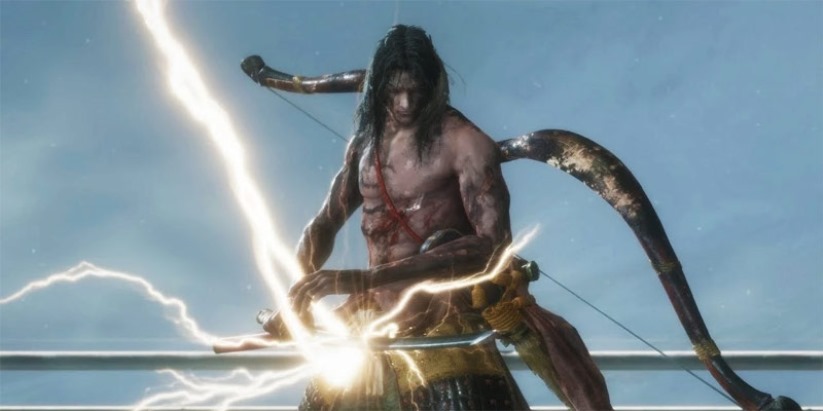
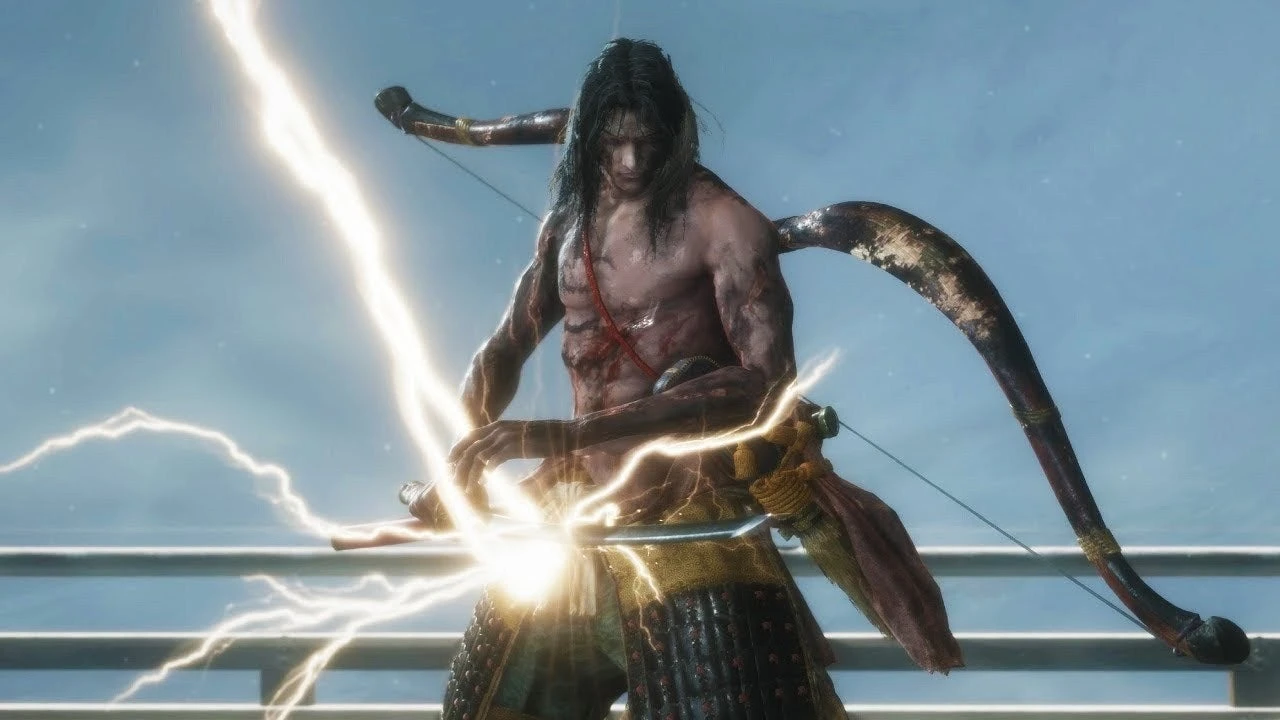
Sekiro Shadows Die Twice uses prolonged encounters to encourage restraint and observer. Fighting games like Genichiro and Isshin require players to read patterns instead of reacting quickly.
Slowness is a great teaching tool, as it reinforces timing, position, and awareness, over simple reflexes.
When Stealth and Disappearance Shape the Fight
Visibility and concealment are the key elements in some of the most slow-paced boss fights. These fights are not about exchanging blows, but rather about tracking, predicting and outthinking your opponent.
Nowaki is a good example. This boss' design revolves around hiding and repositioning the player, forcing them to mimic those behaviors. The fights are not difficult because they are mechanically complicated, but because they do not reward impatience.
The article How to Beat Nowaki examines the fight in detail. This discussion, however, focuses on the reasons why this design was created in the first instance.
Controlling Pacing and Emotional Tension
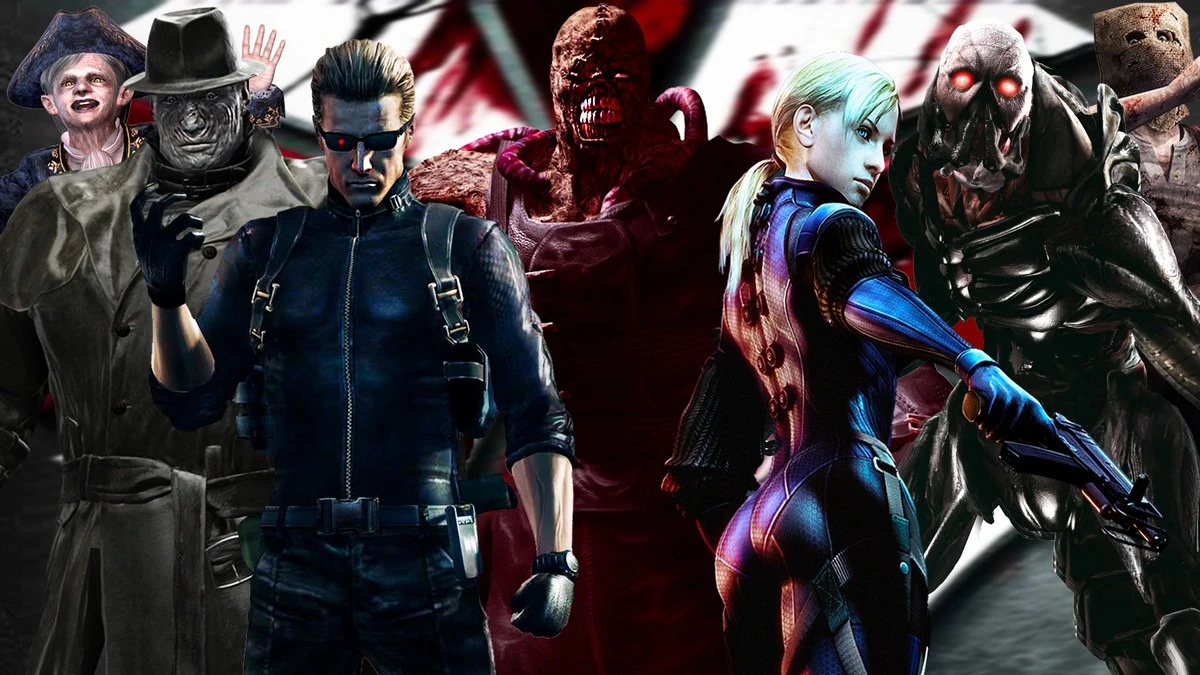
Slow boss fights can also be a powerful tool for controlling the emotional pace. This design choice is particularly visible in horror and survival games. Resident Evil Bosses often limit resources and prolong encounters to keep tension high. In Dark Souls fights such as Knight Artorias and Slave Knight Gael are also played out gradually.
Slowing down the pace allows developers to make sure that each mistake is taken seriously, every opportunity earned and the player feels engaged throughout the battle.
Slow Fights as Narrative Devices
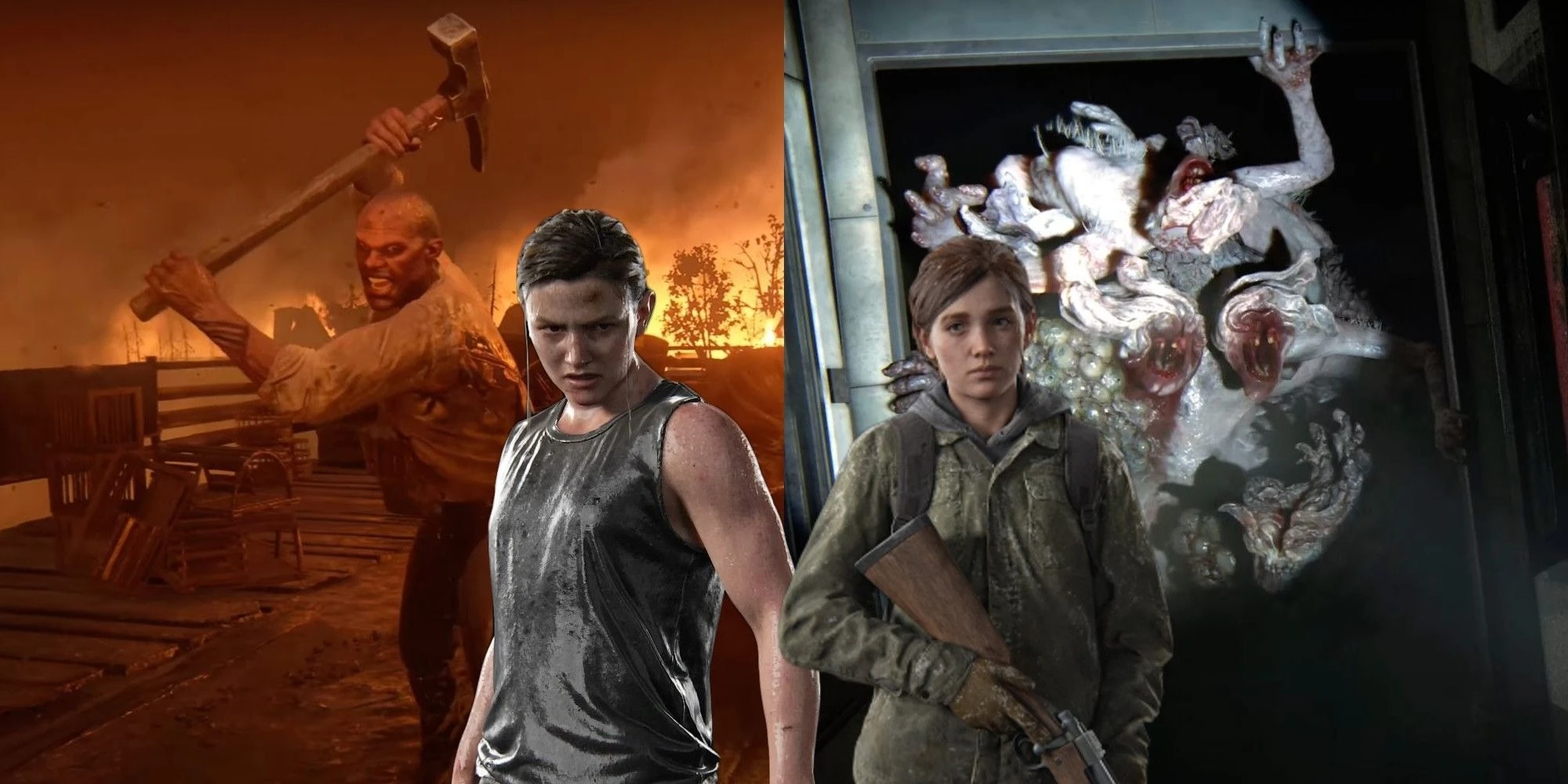
Slow boss fights are often used to tell a story in games with a strong narrative. These aren't meant to be moments of power fantasy, but rather moments of thematic expression. The Last of Us Part II makes use of long-lasting confrontations to highlight exhaustion and moral ambiguity. The emotional impact of the story is reflected in the length of the battle.
Developers align gameplay and narrative tone by making winning feel expensive and time-consuming. This allows players to feel the story, rather than just watch it unfold.
Challenging Player Expectations of 'Fun'
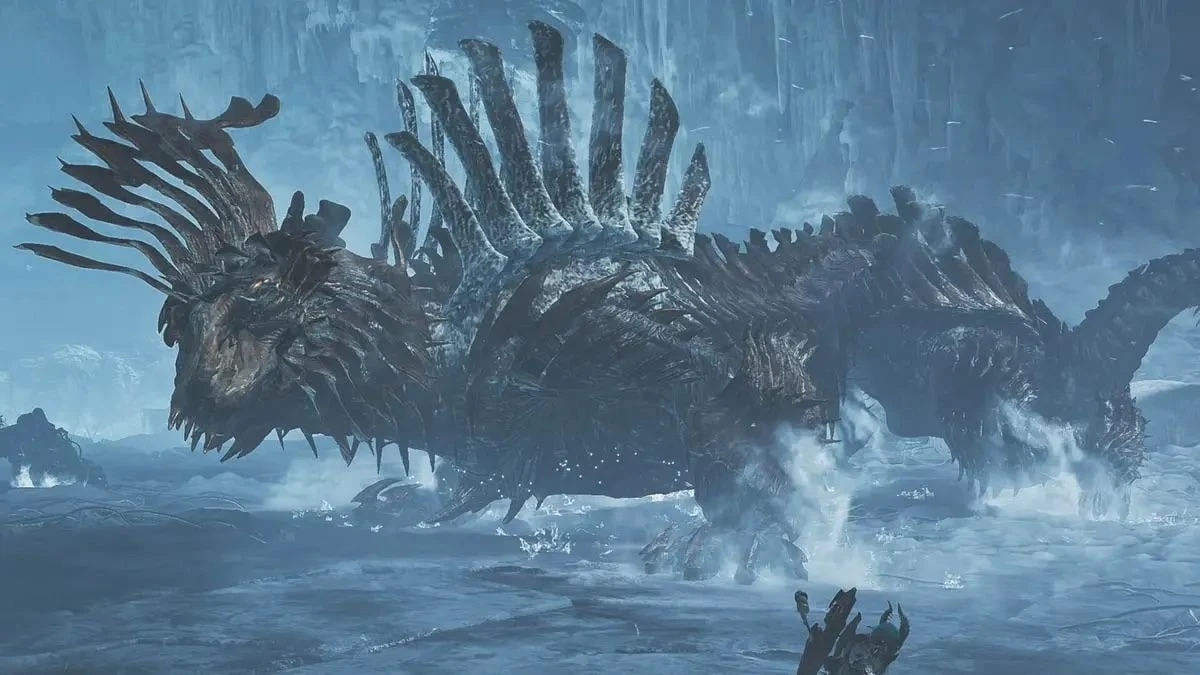
Some boss fights may not be enjoyable at first. Some boss fights are designed to test the player's own definition of enjoyment. In games like Monster Hunter, the hunts can last much longer than usual boss fights.
These encounters stress preparation, endurance and long-term focus. Slow pace encourages the fantasy that you are hunting a powerful beast rather than overcoming an obstacle. What initially seems tedious can become deeply satisfying over time as frustration is replaced by mastery.
Slowness as Intentional Design, Not a Flaw
Slow boss fights may seem unfair or boring when viewed alone. In the context of game design they often serve as a deliberate contrast to more intense, faster encounters. They are designed to test specific skills, evoke certain emotions, and create lasting impressions.
Instead of asking why the fights are so slow, it's better to ask what this game is trying express or teach through its slowness. The answer is usually a more complex design layer that rewards players who are willing to engage in the game on its terms.